Grace Darling was the lighthouse keeper’s daughter on Longstone, one of the Farne Islands off the stunning Northumberland coast. One September morning in 1838, she and her father rowed out to rescue the survivors of the SS Forfarshire. En route to Dundee, the ship was wrecked on the Farnes in a tempestuous storm.
So far, so familiar. This was the incident that made Grace’s name, aged 22. It’s why she is remembered today across the North East of England. The RNLI runs a Grace Darling Museum in Bamburgh, the village where she was born and died. Generations of students know her name as a byword for courage and resilience.
But the sea rescue was only one part of Grace’s remarkable life story. She lived just four more years. Youthful mortality was not unusual before penicillin and vaccines, when doctors fought infection with blood-sucking leeches.
After the Forfarshire disaster, two inquests were held. It was during these proceedings that Grace’s pivotal contribution came to light. Reporters from the Tyne Mercury, Berwick & Kelso Warder and Newcastle Courant lauded Grace as the unsung hero of the episode. Within a fortnight of the rescue, The Times had run a feature elevating Grace to national treasure status. Apart from the young Queen Victoria, she was the best-known woman in the land. Unwittingly, she had ignited an important debate about maritime safety.
Grace herself did not want fame. Her grandfather had run a lighthouse on the Farnes. It was what her family did. She wanted to be left in peace to live and work on the rugged islands, rich in wildlife, that were her home.
But the public couldn’t get enough of Grace Darling. Artists demanded to paint her portrait. Her likeness appeared on souvenir merchandise. She was the beneficiary of fundraising dinners, even though she sought no financial reward. She was urged to make personal appearances, including at a travelling circus, but declined. She received so many gifts and letters from admirers that replying by hand to every one of them, as was the polite custom, took over her life.

Mark Batey. Photo by Tim Whitby.
The Duke of Northumberland stepped in to offer help and advice. But demand for more of Grace never let up. It’s tragic that she was undone by her innate goodness. Fresh-faced and modest, she never boasted of her achievement.
An unwelcome spotlight
Alongside industrialisation, urbanisation and a rise in literacy, rigid codes of social conduct developed in Victorian Britain. ‘Appropriate’ behaviour varied greatly by gender and class. Women were generally expected to ignore their brainpower and be home-makers. Purity, or at least the firm appearance of it, especially in a young woman, was regarded as a high virtue. The persona of Grace Darling created in the press had an abundance of purity and dignity, to be admired and emulated.
All this must have weighed heavily on Grace, whose own schooling had taken place in the lantern room of the family lighthouse. She hadn’t travelled beyond Northumberland. Today, reality TV stars have chaperones and counsellors for support. Grace just had to get on with it.
In 1842, aged 26, she caught tuberculosis, known then as consumption because of its reducing effect on the body. With little energy to fight, she died in her father’s arms.
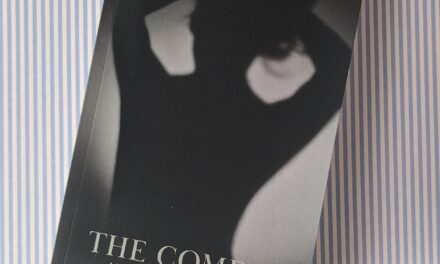
My book, GRACE, is part of a trilogy, telling the extraordinary life stories of 19th century Northumbrians whose achievements resonate today. The other subjects are Josephine Butler, social reformer, and George Biddell Airy, astronomer royal. All three books are out now.